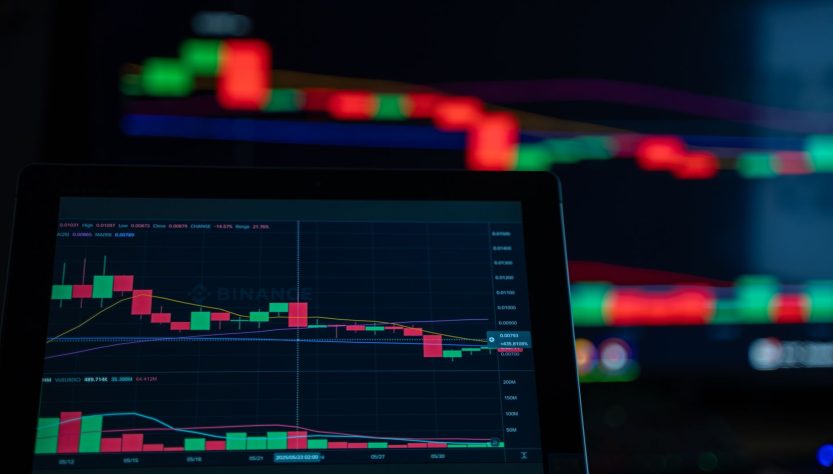
Bitcoin price drop is causing concern among investors as macroeconomic conditions worsen. Recent ETF outflows have added to the volatility in the market.
Understanding the Current Bitcoin Price Drop
The recent Bitcoin price drop has raised concerns among investors as it fell by 3.32% amid macroeconomic uncertainties. This downturn highlights the sensitivity of cryptocurrencies to broader financial market trends.
Several factors have contributed to this decline:
- Macro Risk-Off Sentiment: The current economic climate has led to a risk-off approach among investors, causing them to pull back from volatile assets like Bitcoin.
- ETF Outflows: The outflow of funds from Bitcoin exchange-traded funds (ETFs) has also pressured the market, signaling a lack of confidence among institutional investors.
- Global Economic Indicators: Negative reports regarding inflation and interest rates are further exacerbating the situation, prompting a flight to safer assets.
As the cryptocurrency market reacts to these macroeconomic signals, many analysts are closely monitoring the situation. The volatility of Bitcoin continues to be a point of concern, especially for those who view it as a long-term investment.
In light of these developments, understanding the dynamics behind the Bitcoin price drop is crucial for both seasoned investors and newcomers entering the market.
What Caused the Recent ETF Outflows?
The recent Bitcoin price drop can be attributed to a combination of factors influencing market sentiment and investor behavior. One significant element has been the outflows from exchange-traded funds (ETFs) that track Bitcoin. These outflows indicate a growing reluctance among institutional investors to maintain their Bitcoin exposure amid increasing uncertainty.
Several key reasons have been identified regarding the recent ETF outflows:
- Market Volatility: The overall market has experienced heightened volatility, causing investors to seek safer assets, leading to reduced demand for Bitcoin.
- Regulatory Concerns: Ongoing regulatory scrutiny surrounding cryptocurrencies has left many investors wary, prompting them to withdraw funds from Bitcoin-related ETFs.
- Macro Economic Factors: Broader economic indicators, including rising interest rates and inflation concerns, have increased risk aversion among investors, further contributing to the Bitcoin price drop.
- Investor Sentiment: Negative sentiment surrounding the crypto market has surged, as many retail investors have also opted to liquidate their positions in light of the recent downturn.
As these factors continue to evolve, the impact on Bitcoin’s value remains uncertain, but the current trend suggests a cautious approach from many stakeholders.
Impact of Macro Risks on Cryptocurrency
The recent Bitcoin price drop has been significantly influenced by macroeconomic factors that have triggered a risk-off sentiment among investors. As global markets face uncertainty, cryptocurrencies often react sharply, reflecting broader investor apprehensions.
Several macro risks are currently impacting the cryptocurrency landscape:
- Inflation Concerns: Persistent inflation rates continue to weigh heavily on investor confidence, leading to a flight to safer assets.
- Interest Rate Hikes: Central banks around the world have signaled potential interest rate increases, which typically dampen the appeal of riskier investments like Bitcoin.
- Geopolitical Tensions: Ongoing conflicts and trade disputes create volatility, causing investors to reassess their portfolios and reduce exposure to high-risk assets.
- Market Sentiment: The prevailing sentiment in financial markets can sway the price of Bitcoin; negative news can exacerbate declines.
As a result of these factors, the latest Bitcoin price drop of 3.32% underscores the sensitivity of cryptocurrencies to macroeconomic shifts. Investors are closely monitoring these developments, as they could signal further volatility in the cryptocurrency market.
Investor Reactions to Bitcoin’s Decline
As the Bitcoin price drop continues to dominate headlines, investors are reacting with a mix of caution and opportunism. Many traders are reassessing their strategies in light of the recent market volatility, particularly as macroeconomic conditions shift.
Some key reactions from the investment community include:
- Increased Caution: Many investors are adopting a wait-and-see approach, opting to hold their positions rather than make impulsive trades during this turbulent period.
- Opportunistic Buying: Others view the current decline as a chance to buy Bitcoin at lower prices, hoping for a rebound in the near future.
- Portfolio Diversification: Investors are also looking to diversify their portfolios, seeking to mitigate risk by exploring alternative assets beyond cryptocurrencies.
Market analysts suggest that the current Bitcoin price drop reflects broader economic concerns, including inflation and interest rate hikes. As the situation evolves, the sentiment among investors remains mixed, with many hoping for a turnaround while others brace for further declines.
Ultimately, how investors navigate these challenges could shape the future landscape of cryptocurrency trading in the coming months.
Future Predictions for Bitcoin Prices
As analysts assess the implications of the recent Bitcoin price drop, future predictions remain a topic of intense debate within the financial community. The current macroeconomic landscape presents significant uncertainties, which could further influence Bitcoin’s trajectory in the coming months.
Several factors are at play that could affect Bitcoin’s price:
- Regulatory Developments: Ongoing discussions around cryptocurrency regulations across various jurisdictions might lead to increased volatility.
- Market Sentiment: Investor confidence plays a crucial role; a sustained drop in Bitcoin prices could trigger panic selling.
- Global Economic Indicators: Economic downturns or inflationary pressures can impact investor behavior, shifting focus away from riskier assets like Bitcoin.
Experts suggest that while short-term fluctuations are common, Bitcoin’s long-term potential remains robust. Many believe that as institutional adoption increases and more retail investors enter the market, the cryptocurrency could eventually rebound from its current state.
Ultimately, predicting the Bitcoin price drop’s long-term effects is fraught with uncertainty; however, the underlying fundamentals of the cryptocurrency ecosystem remain strong.
Comparing Bitcoin with Other Cryptocurrencies
The recent Bitcoin price drop has raised concerns among investors, prompting comparisons with other cryptocurrencies. Understanding how Bitcoin’s decline correlates with its peers can provide insights into market dynamics and investor sentiment.
Key Comparisons:
- Ethereum: As the second-largest cryptocurrency, Ethereum often moves in tandem with Bitcoin. However, during the recent price drop, Ethereum experienced a 5% decline, indicating a stronger reaction to macroeconomic fears.
- Ripple: Ripple has shown resilience, dropping only 2.5% amidst the Bitcoin price drop. This suggests that some investors may be diversifying into altcoins as a hedge.
- Litecoin: Litecoin’s performance mirrored Bitcoin’s closely, illustrating how market sentiment can affect similar assets. It fell by 3.8%, indicating a shared vulnerability.
- Chainlink: Contrastingly, Chainlink saw a marginal increase of 1%, highlighting its potential as a safe haven against broader market declines.
These comparisons reveal that while Bitcoin remains a leader in the space, its volatility is mirrored by other cryptocurrencies, each responding differently to macroeconomic pressures and investor behavior.
Strategies for Navigating Market Volatility
As the Bitcoin price drop continues to shake investor confidence, developing effective strategies for navigating market volatility has become essential. Here are some key approaches investors can consider:
- Diversification: Spreading investments across different asset classes can mitigate risks associated with a steep Bitcoin price drop. By including stocks, bonds, and other cryptocurrencies, investors can balance their portfolios and reduce exposure to market fluctuations.
- Stay Informed: Keeping an eye on market trends, news, and economic indicators can help investors make informed decisions. Awareness of macroeconomic factors influencing the cryptocurrency market is crucial in anticipating potential price movements.
- Long-Term Perspective: Viewing investments with a long-term outlook can help investors endure short-term volatility. Historically, Bitcoin has demonstrated resilience, and a focus on long-term gains can alleviate the stress of sudden price drops.
- Risk Management: Implementing stop-loss orders and setting clear investment goals can help investors manage their exposure during turbulent times. Being proactive about risk can prevent significant losses during unforeseen market downturns.
By employing these strategies, investors can better navigate the challenges posed by the current Bitcoin price drop while positioning themselves for potential future gains.
Photo by Rafael Minguet Delgado on Pexels